Inboard vs Outboard: What’s the Real Difference and Which Is Better?
Choosing between an inboard vs outboard motor is one of the most important decisions for boat buyers. Each engine type has its own advantages, costs, and ideal use cases. This guide breaks down the real-world differences to help you decide which option fits your boating needs.
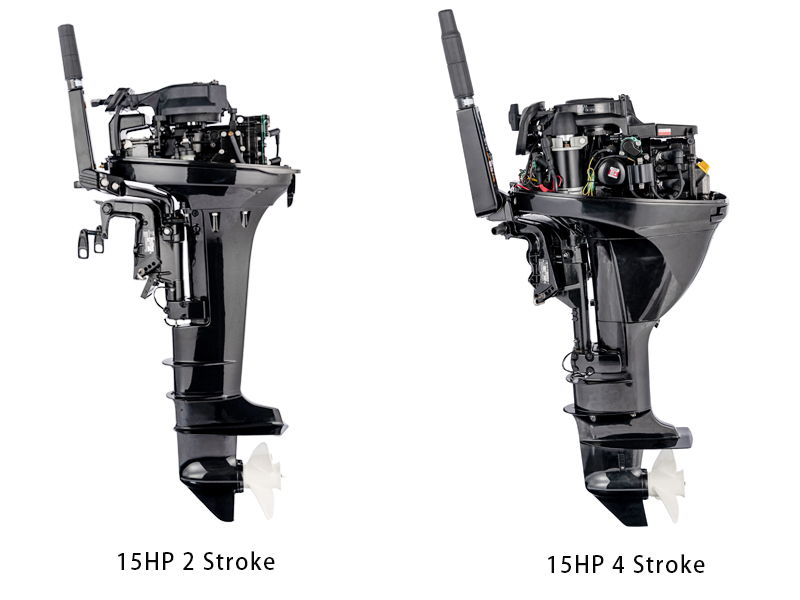
Whether you are buying your first boat or upgrading to a new setup, understanding the difference between inboard and outboard motors will save you money, reduce maintenance headaches, and improve your on-water experience.
Key Differences Between Inboard and Outboard Motors
| Engine Location | Inboard engines are mounted inside the boat hull, while outboards are mounted externally on the transom. |
|---|---|
| Maintenance Access | Outboards are easier to access and service; inboards require working inside the engine compartment. |
| Power Range | Outboards range from small kickers to 600HP+, while inboards are usually limited to specific boat types. |
| Boat Space | Outboards free up interior space; inboards occupy valuable hull space. |
| Saltwater Use | Outboards can tilt fully out of the water, reducing corrosion in saltwater environments. |
Inboard vs Outboard Cost Comparison
At first glance, inboard engines may appear less expensive. However, when comparing performance rather than raw horsepower, outboards often provide better value.
A lighter outboard motor typically delivers similar performance with less horsepower, which translates into improved fuel efficiency and lower long-term operating costs.
Maintenance and Ownership Costs
Outboard Advantages
- Self-draining design simplifies winterization
- Easier DIY servicing and repowering
- Better corrosion control in saltwater
Inboard Advantages
- Quieter operation for cruising
- Lower center of gravity
- Clean transom design for swim platforms
Pros and Cons: Inboard vs Outboard
Why many boaters choose outboards:
- Lighter weight and better fuel efficiency
- Simple maintenance and faster repairs
- Flexible power configurations (single, twin, triple)
Why some still prefer inboards:
- Ideal for watersports and wake boats
- Balanced weight distribution
- Traditional boating feel
So, Which Is Better: Inboard or Outboard?
There is no universal winner in the inboard vs outboard debate. The right choice depends on how and where you use your boat.
For most recreational boaters, fishing enthusiasts, and coastal users, modern outboard engines offer greater flexibility, easier ownership, and better long-term value.
Looking for a Reliable Outboard Motor?
Yamabisi outboard motors are designed for efficiency, durability, and easy maintenance. If you’re leaning toward an outboard setup, explore professional-grade solutions built for real-world boating.
Contact Yamabisi Outboard


