
The Ultimate Outboard Motor Guide: Measuring Shaft Length & Complete Winterization
Whether you are repowering your vessel with a brand-new Yamabisi outboard or preparing your trusty engine for the freezing off-season, proper technical knowledge is the key to marine performance. Two of the most critical questions every boat owner and marine professional faces are: how to measure shaft length on an outboard motor to ensure peak efficiency, and how to properly winterize an engine to prevent catastrophic weather damage.
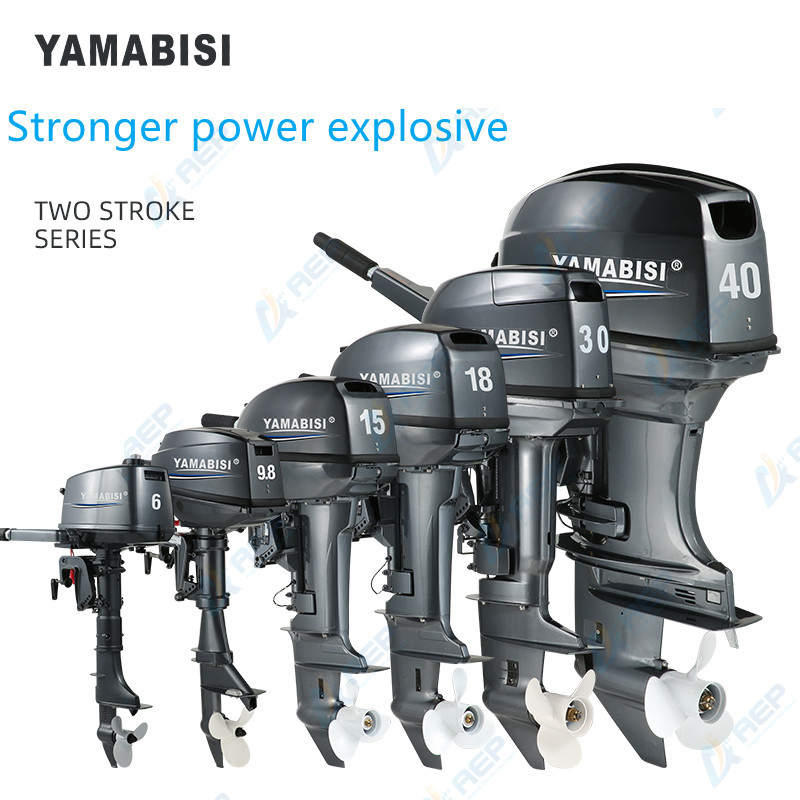
As a leading outboard motor solution provider, Yamabisi has compiled this definitive, step-by-step technical guide. By following these industry-standard procedures, you will maximize your boat's top speed, eliminate cavitation, and guarantee that your 2-stroke or 4-stroke engine starts on the first pull when spring arrives.
Part 1: How to Measure Shaft Length on an Outboard Motor
Installing an outboard motor with the incorrect shaft length is one of the most common—and costly—mistakes in boating. If the shaft is too short, the propeller will draw in air from the surface (cavitation), leading to a loss of thrust, engine overheating, and severe internal damage. If the shaft is too long, the lower unit creates excessive hydrodynamic drag, reducing top speed, increasing fuel consumption, and negatively affecting the boat's handling and steering dynamics.
Step 1: Understand What You Are Measuring
You do not actually measure the outboard motor itself to determine what you need. Instead, you must measure the boat's transom. The transom is the flat vertical section at the rear of the hull where the outboard motor is mounted. The height of this transom dictates the required shaft length of the engine.

Step 2: How to Measure Transom Height
To get an accurate measurement, follow these precise steps:
- Position the Boat: Ensure your boat is resting securely on a trailer or level ground. Do not attempt this while the boat is in the water.
- Locate the Top Center: Find the exact top-center point of the transom. This is where the outboard motor's mounting bracket will rest.
- Locate the Bottom Center: Look under the boat and locate the lowest point of the hull at the rear (the keel). If you have a V-hull, this is the deepest point of the "V".
- Take the Measurement: Run a standard tape measure straight down from the top center edge of the transom to the very bottom edge of the hull (the keel). Keep the tape measure strictly vertical; do not let it angle or conform to the curve of the transom if it leans backward.
Step 3: Match Your Measurement to Industry Standard Shaft Lengths
Once you have your transom measurement in inches, you can easily match it to the standardized outboard shaft lengths manufactured by Yamabisi and the broader marine industry:
- 15 to 16 inches: Requires a Short Shaft (S) motor. Typically used for small inflatables, dinghies, aluminum jon boats, and portable tenders.
- 20 to 22 inches: Requires a Long Shaft (L) motor. This is the most common size for standard fiberglass fishing boats, pontoon boats, and mid-sized center consoles.
- 25 to 27 inches: Requires an Extra Long Shaft (XL) motor. Common on deep-V offshore fishing boats, larger center consoles, and specialized commercial vessels.
Part 2: The Critical Importance of Outboard Winterization
For boaters living in regions that experience freezing temperatures, winterization is not optional—it is mandatory. Water expands by roughly 9% when it freezes into ice. If residual water is left inside your outboard's cooling system, this expansion will generate immense pressure, cracking the engine block, destroying the lower unit, and ruining the water pump.
Furthermore, modern ethanol-blended gasoline degrades rapidly, usually within 30 to 60 days. Left untreated over the winter, fuel turns into a varnish-like sludge that clogs carburetors, fuel injectors, and filters. Proper winterization prevents freezing, halts internal corrosion, and stabilizes your fuel system.
Part 3: How to Winterize a Two Stroke Outboard Motor

Two-stroke (2-stroke) outboard motors are prized for their high power-to-weight ratio and mechanical simplicity. Because they burn a mixture of gas and oil to lubricate their internal moving parts, their winterization process heavily focuses on fuel management and internal fogging to prevent cylinder rust.
Step 1: Treat the Fuel System
Add a high-quality marine fuel stabilizer to your gas tank. Follow the manufacturer's exact dosage recommendations. Once added, connect a flushing attachment (ear muffs) to the lower unit, turn on the garden hose, and run the engine for 10 to 15 minutes. This ensures the stabilized fuel circulates completely through the fuel lines, fuel pump, and carburetor(s).
Step 2: Fog the Internal Engine Components
Because 2-stroke engines do not have a crankcase oil reservoir, they are highly susceptible to internal cylinder rust during months of inactivity. You must "fog" the engine.
- While the engine is still running (with cooling water flowing), remove the engine cowling.
- Locate the air intake/carburetor throat.
- Spray a dedicated marine "Fogging Oil" directly into the carburetor. The engine will begin to smoke heavily and sputter. This is normal; the thick oil is coating the cylinders, pistons, and crankshaft.
- Continue spraying until the engine eventually chokes and stalls out. Alternatively, you can turn off the ignition right as the engine is bogged down by the fogging oil.
- Remove the spark plugs, spray a quick burst of fogging oil directly into each cylinder, reinstall the plugs, and slowly pull the starter cord (or tap the starter) to rotate the flywheel once or twice. This spreads the oil perfectly.
Step 3: Drain the Carburetor Float Bowls
Even with stabilized fuel, it is safest to drain the carburetors completely. Locate the drain screw at the bottom of the carburetor float bowl. Place a rag underneath, open the screw, and let the remaining fuel drain out. Tighten the screw securely.
Step 4: Change the Lower Unit Gear Lube
Never skip this step. If water has breached your propeller seal, it will mix with the gear lube. If this water freezes over the winter, it will crack your lower unit casing.
- Place a drain pan under the lower unit.
- Remove the BOTTOM drain plug first, then remove the TOP vent plug. The gear oil will flow out.
- Inspect the old oil. If it looks milky or resembles coffee with cream, you have a water leak and need the seals replaced by a professional.
- Using a marine gear lube pump, pump fresh gear lube into the BOTTOM hole until it spills out of the top vent hole.
- Reinstall the top plug first to create a vacuum, then quickly remove the pump and reinstall the bottom plug.
Part 4: How to Winterize a 4 Stroke Outboard Motor
Four-stroke (4-stroke) outboards operate much like automobile engines. They do not mix oil with fuel; instead, they have a dedicated oil pan (crankcase). Therefore, changing the engine oil is the most critical difference when learning how to winterize a outboard motor 4 stroke.
Step 1: Flush the Cooling System and Stabilize Fuel
Just like the 2-stroke, add fuel stabilizer to your gas tank. Attach your flushing muffs, turn on the water, and run the engine for 15 minutes. This circulates the stabilizer and flushes out corrosive salt, sand, and mud from the cooling jackets. Note: Always ensure the water pump "tell-tale" (the small stream of water shooting from the back) is flowing strong while the engine runs.
Step 2: Change the Engine Oil and Filter (Crucial)
Over the boating season, engine oil accumulates moisture, acids, and combustion byproducts. If left in the engine over winter, these acids will eat away at internal bearings and cylinder walls.
- While the engine is still warm (which helps oil flow better), turn it off and remove the cowling.
- Place a catch pan under the engine. Remove the oil drain plug located on the mid-section of the outboard and let the oil drain completely.
- Use an oil filter wrench to remove the old oil filter. Be careful, as it will contain residual oil.
- Smear a drop of fresh oil on the rubber gasket of the new oil filter, and screw it on hand-tight.
- Reinstall the drain plug with a new crush washer, and fill the crankcase with premium 4-stroke marine oil according to your Yamabisi owner's manual.
Step 3: Fogging a 4-Stroke Engine
Fogging a 4-stroke EFI (Electronic Fuel Injection) engine is different from a carbureted 2-stroke. Do NOT spray fogging oil directly into the air intake of an EFI engine, as this can damage vital sensors. Instead, remove the spark plugs, spray 1 to 2 seconds of marine fogging oil directly into each spark plug hole, turn the engine over slowly a few times, and reinstall the plugs.
Part 5: Frequently Asked Questions (FAQ)
Can I leave my outboard outside in the winter?
Yes, provided it is properly winterized following the steps above and stored in the fully vertical (down) position. It is highly recommended to cover the cowling with a breathable canvas motor cover to protect it from UV rays and snow buildup. Do not use a tightly sealed plastic bag, as this will trap moisture and cause severe corrosion.
Do I need to remove the battery during winterization?
Absolutely. Leaving a marine battery in a freezing boat will ruin it. Disconnect the battery (negative cable first), remove it from the vessel, clean the terminals, and store it in a cool, dry place indoors. Attach it to a high-quality marine trickle charger (battery maintainer) to keep the internal plates active and healthy throughout the winter.
Conclusion: Protect Your Marine Investment
Understanding how to measure shaft length on an outboard motor guarantees that your boat operates at peak hydrodynamic efficiency, saving fuel and preventing mechanical wear. Meanwhile, knowing exactly how to winterize a two-stroke outboard motor or 4-stroke engine is the ultimate insurance policy against the destructive forces of freezing temperatures and fuel degradation.
Marine environments are unforgiving, but with regular maintenance and attention to detail, your engine will deliver decades of reliable service. Whether you are seeking portable power for a dinghy or high-thrust solutions for a commercial vessel, Yamabisi Outboard Motor Solutions provides the robust engineering and support you need to conquer the water. If you require specialized parts, high-quality gear lube, or are ready to upgrade your marine power, contact our technical team today.


